Strengthening Sri Lanka’s resilience through
science, research, practice and global knowledge exchange
Overview
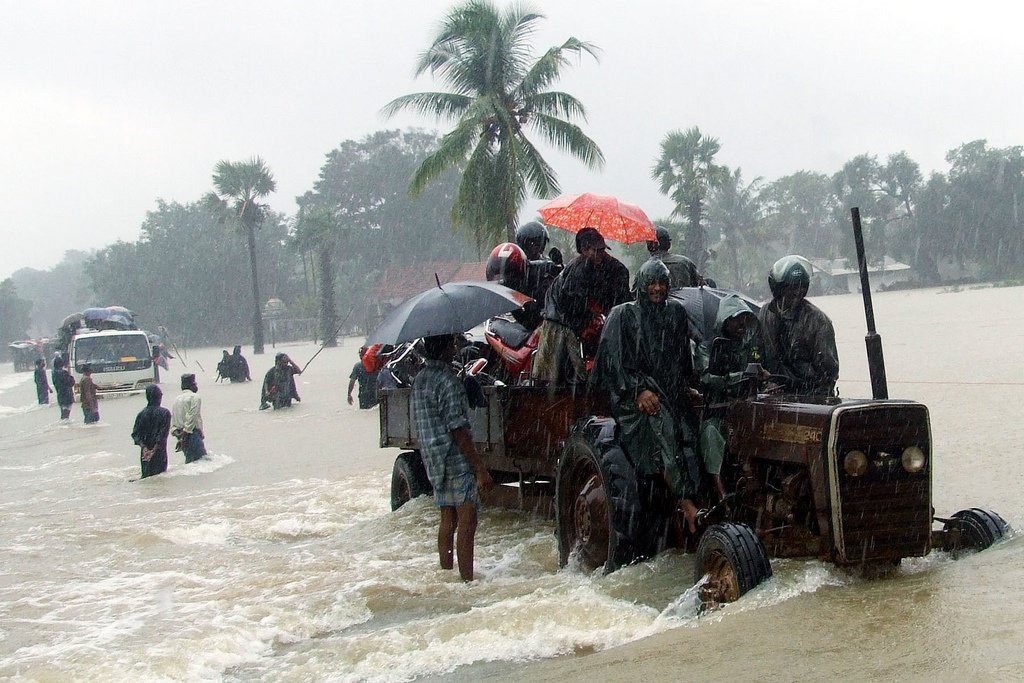
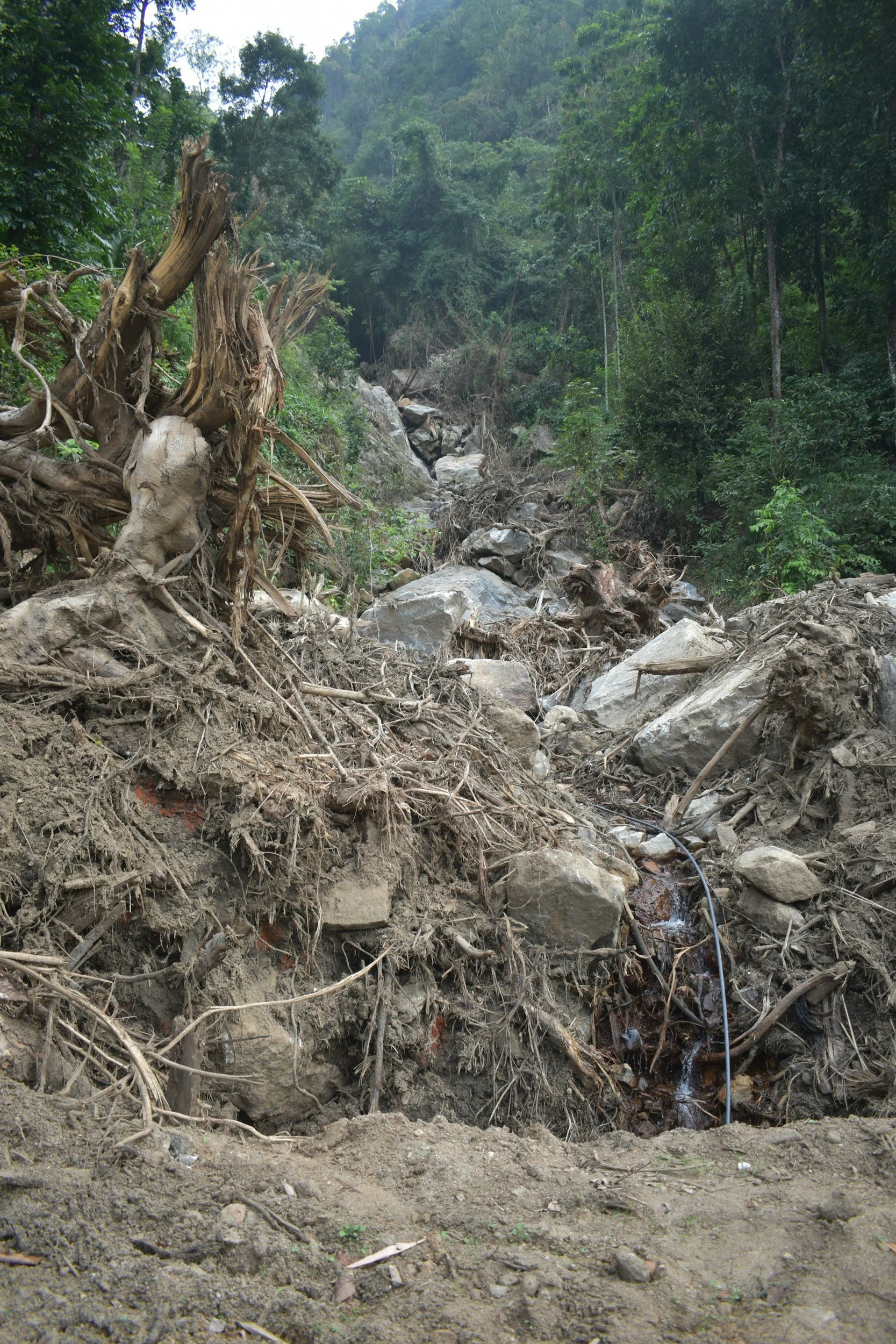
As catastrophic events become more frequent globally, it is inevitable that Sri Lanka continues to face complex and evolving disaster risks, driven by climatic extremes, geophysical hazards, environmental degradation, infrastructure vulnerability, and socio-economic pressures. Recent events, including Cyclone Ditwah, have reinforced the urgency of strengthening disaster preparedness, early warning capability, response coordination, recovery processes, and long-term resilience planning.
In response, a collective of professionals from Sri Lankan diaspora living and working in Aotearoa New Zealand has established the Forum for Science/Research Support for Disaster Risk Reduction (DRR) Efforts in Sri Lanka. Members of this group bring decades of experience across scientific, technical, policy, academic, humanitarian, operational and technology domains, and are embedded in New Zealand’s internationally respected public and private establishments.
The Forum represents a voluntary, apolitical initiative aimed at collaborating with Sri Lanka’s authorities, institutions and communities, providing independent, evidence-based knowledge by facilitating access to global knowledge and innovation.
Purpose and Vision
The primary purpose of the forum is to help strengthen Sri Lanka’s DRR efforts and resilience to disasters by supporting risk-informed decision-making and contributing to the development of robust, future-focused DRR systems.
The broader vision is to foster enduring multi-directional knowledge exchange and collaboration between Sri Lanka and New Zealand through:
supporting governance, planning and policy development;
enhancing scientific and technological capability;
strengthening research and institutional linkages;
and helping translate evidence into practice at operational, community and national levels
The goal is not to replace or override existing expertise in Sri Lanka, but to complement and enable it. The Forum positions itself as a trusted partner, providing support in ways that are respectful, responsive and grounded in Sri Lanka’s realities.

A Collaborative, Locally-Led Approach
Disaster risk reduction is most effective when it is culturally informed, socially appropriate, politically feasible, and operationally viable within local systems.
The objective of this forum is to further support the work already underway in Sri Lanka by complementing existing expertise and helping to strengthen ongoing efforts. and to build trust-based partnerships that endure.
Rather than advocating for the adoption of existing international frameworks, including transfer models directly from New Zealand, the forum aims to support Sri Lanka in developing its own approaches — robustly informed and appropriately adapted from global science but firmly rooted in the Sri Lankan context, experience and capability.
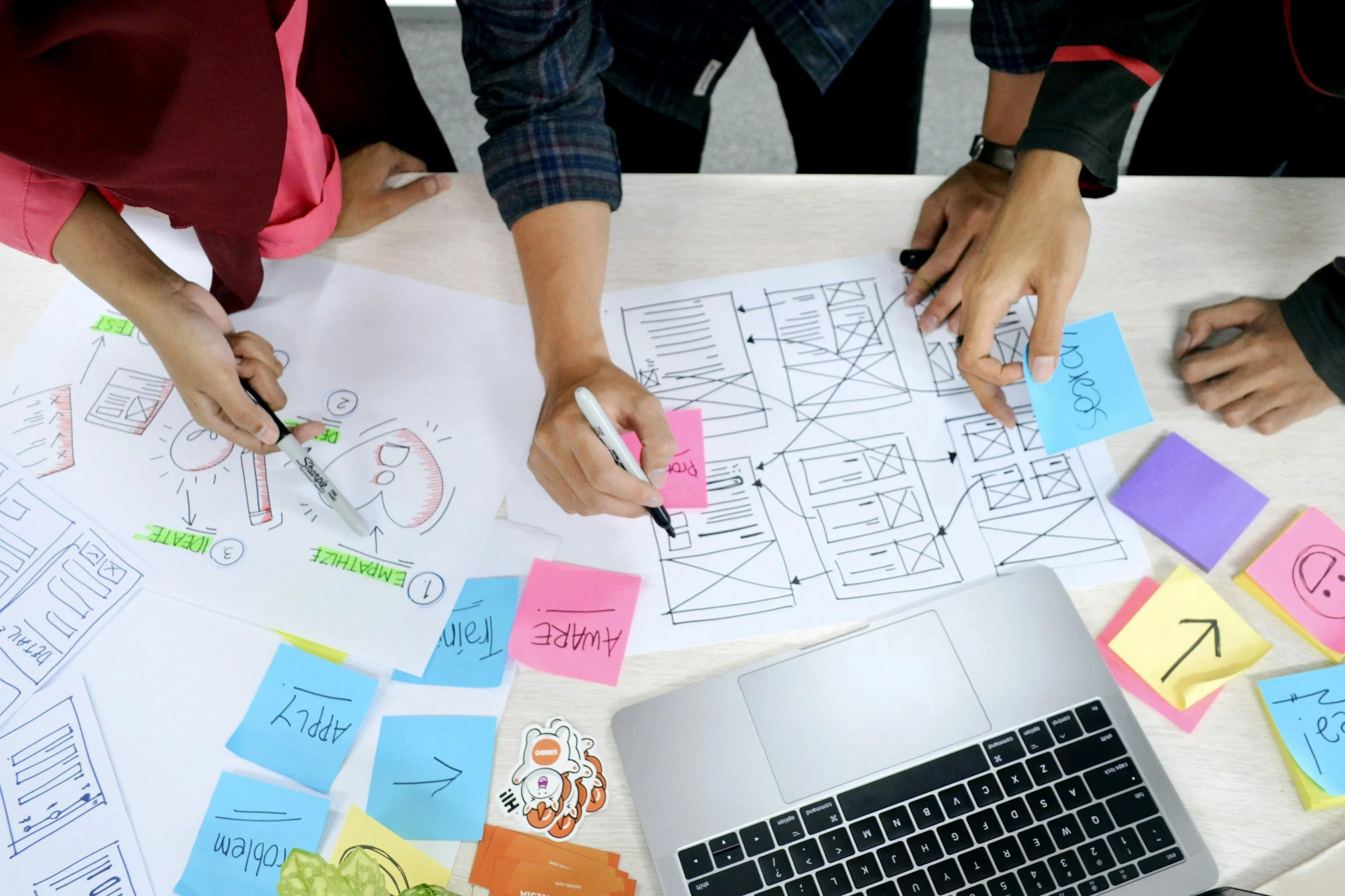
Accordingly, the forum seeks to work alongside Sri Lankan officials, technical authorities, academic institutions, researchers, practitioners, community leaders and political representatives to co-create knowledge, identify needs and priorities, and shape solutions that originate in and belong to Sri Lanka.
Ways of Working Together
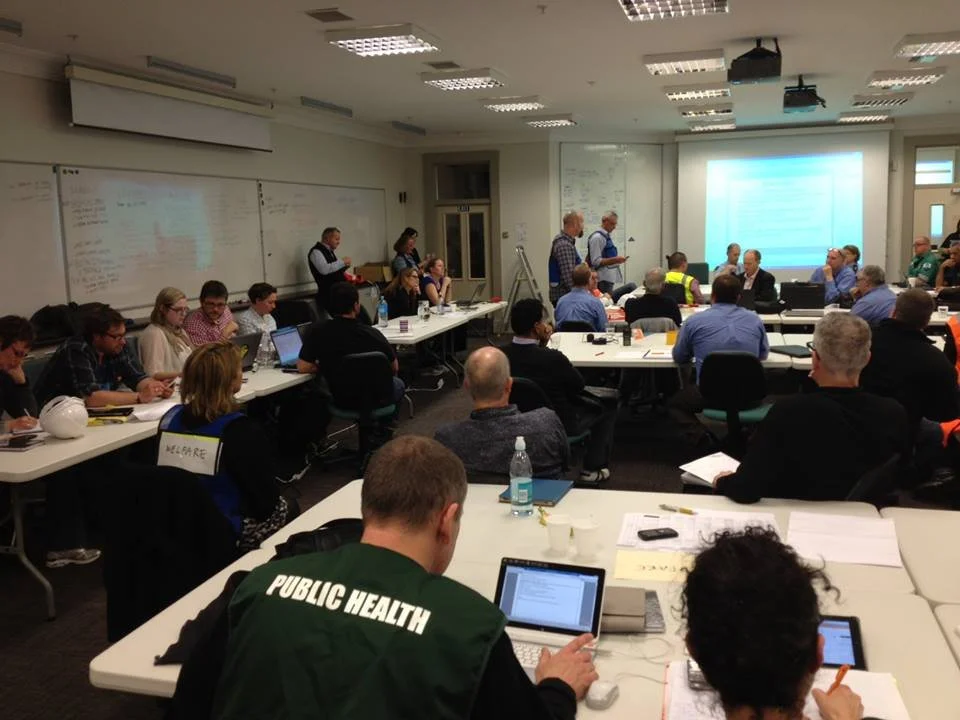
The Forum intends to collaborate with Sri Lankan institutions through structured, demand-driven engagement. Modes of support may include:
Science and technical advisory input for development of guidance, tools, strategy and policy;
Specialist training, knowledge exchange workshops and education;
Post-event evaluation and system learning;
Facilitation of Communities of Practice for research and professional partnerships and exchanges.
Engagement will be shaped around national priorities and undertaken only with appropriate invitation, authorisation and coordination through government channels.

Strategic Approach: Building Trust and Legitimacy
The Forum acknowledges potential resistance from "bureaucracy" or a perceived "top-down" approach. To ensure acceptance and long-term impact, the group will adopt the following strategies:
• Diplomatic Channels: Engagement will be coordinated through the Sri Lankan High Commission in Wellington and the New Zealand High Commissioner to ensure the Forum is recognised as a legitimate "trusted partner".
• Demand-Driven Support: The Forum will focus on mapping capacity and capability building gaps within Sri Lankan institutions (such as the Disaster Management Centre, National Building Research Organisation, and Geological Survey and Mines Bureau) and responding to specific requests for assistance rather than imposing external models.
• Local Leadership: The Forum seeks to complement—not replace—existing local expertise, ensuring solutions are culturally and politically viable
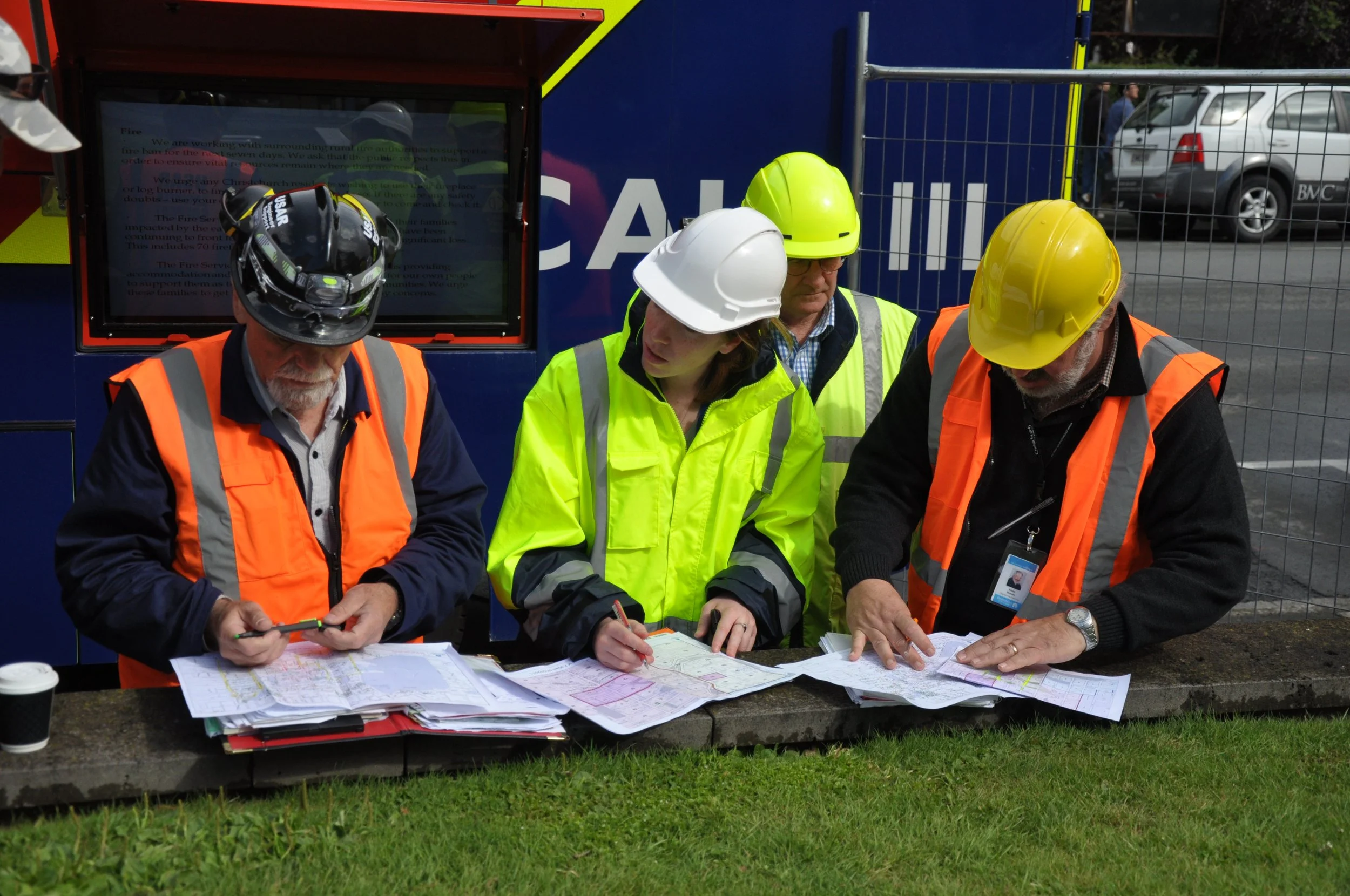
The Forum seeks to initiate formal dialogue with Sri Lankan authorities, supported by the New Zealand High Commission in Colombo and the Sri Lankan High Commission in Wellington. This dialogue would help to establish the most appropriate mechanisms for collaboration, including institutional links, strategic focus areas, and operational arrangements.
The aim is to develop a durable partnership that supports Sri Lanka’s long-term disaster resilience, enhances national scientific and technical capacity, and contributes to safer, more sustainable outcomes for communities across the country.
A Pathway for Partnership
Clusters of Expertise
The Forum’s value lies in its multidisciplinary capability, spanning the full disaster risk continuum. Expertise is organised across several high-level clusters that reflect the interconnected nature of resilience building:
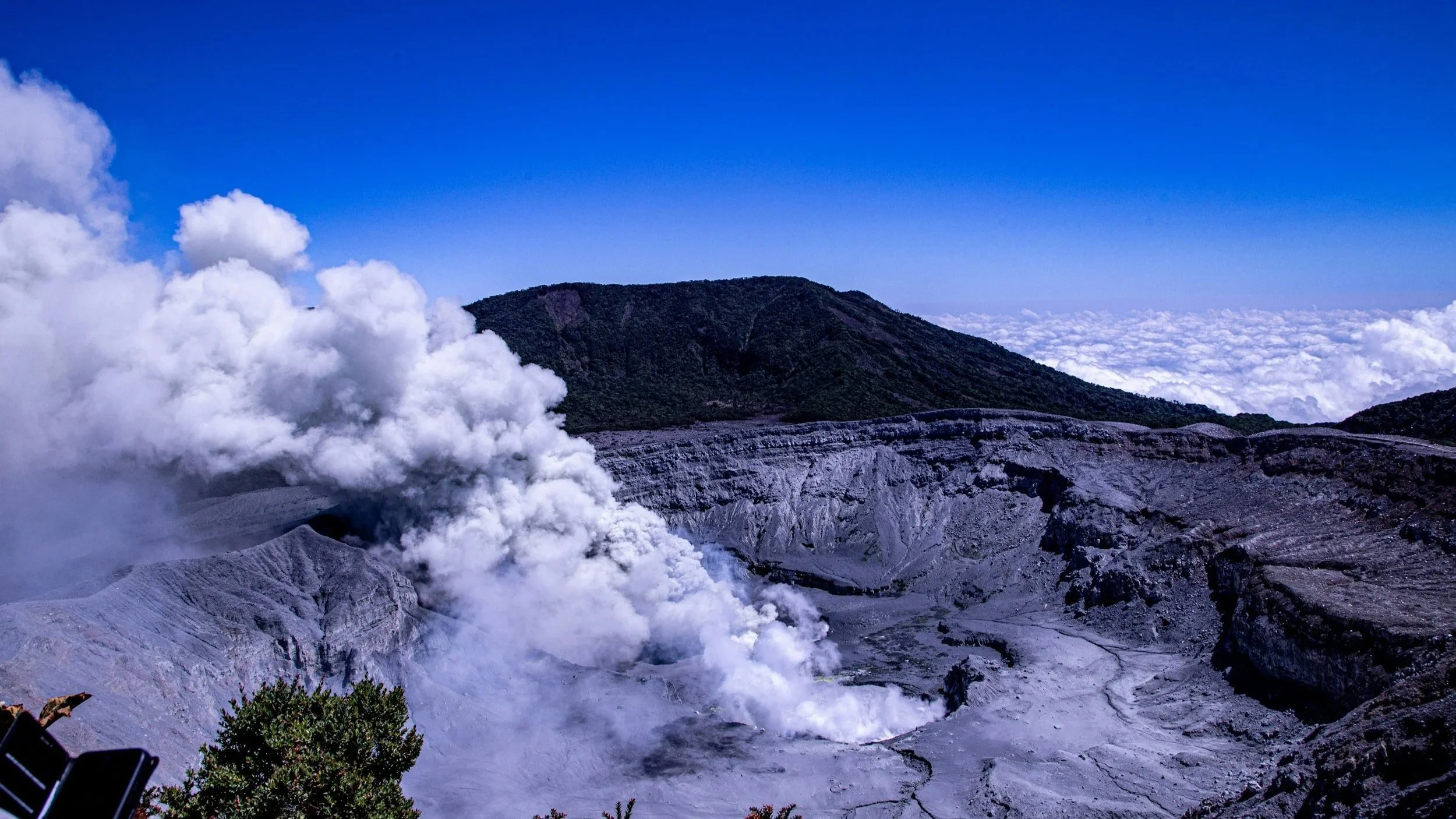
Physical and Environmental Sciences
Includes geology, meteorology, hydrology and environmental systems science. This strengthens Sri Lanka’s ability to interpret hazards, evaluate exposure, model future scenarios, anticipate climate impacts and improve multi-hazard early warning thresholds.
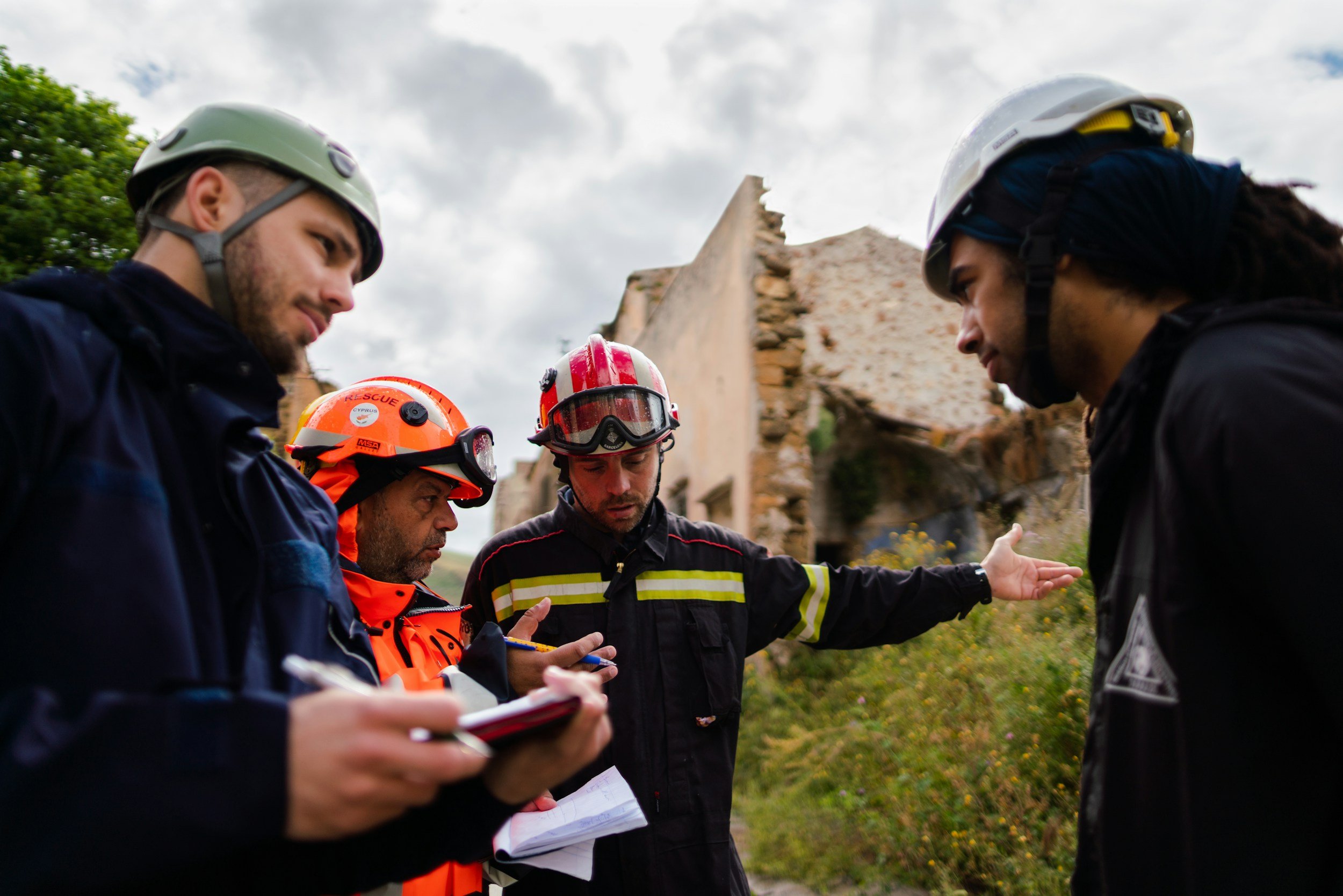
Disaster and Emergency Managment
Encompasses advanced preparedness and resilience planning, coordinated response and escalation mechanisms, the Coordinated Incident Management System (CIMS), National/Regional/Local Emergency Coordination Centre functions, rapid impact assessment, and recovery planning with post-event learning. The emphasis is on supporting Sri Lanka’s institutional frameworks, decision-making, multi-agency coordination, and community involvement.

Built Environment, Infrastructure, and Lifelines
Includes structural safety, infrastructure performance, lifeline continuity, supply-chain dependencies and risk-informed land-use planning. This supports Sri Lanka in protecting critical facilities, strengthening infrastructure investment strategies and reducing systemic fragility across interconnected lifelines.

Water, Agriculture, Food Security, and Rural Systems
Covers flood and hydraulic modelling, stormwater and river basin management, water resource planning, drought risk, agricultural impacts, forestry and food system resilience. This enables a whole-of-system approach to rural and agricultural risk, safeguarding livelihoods and national food security.
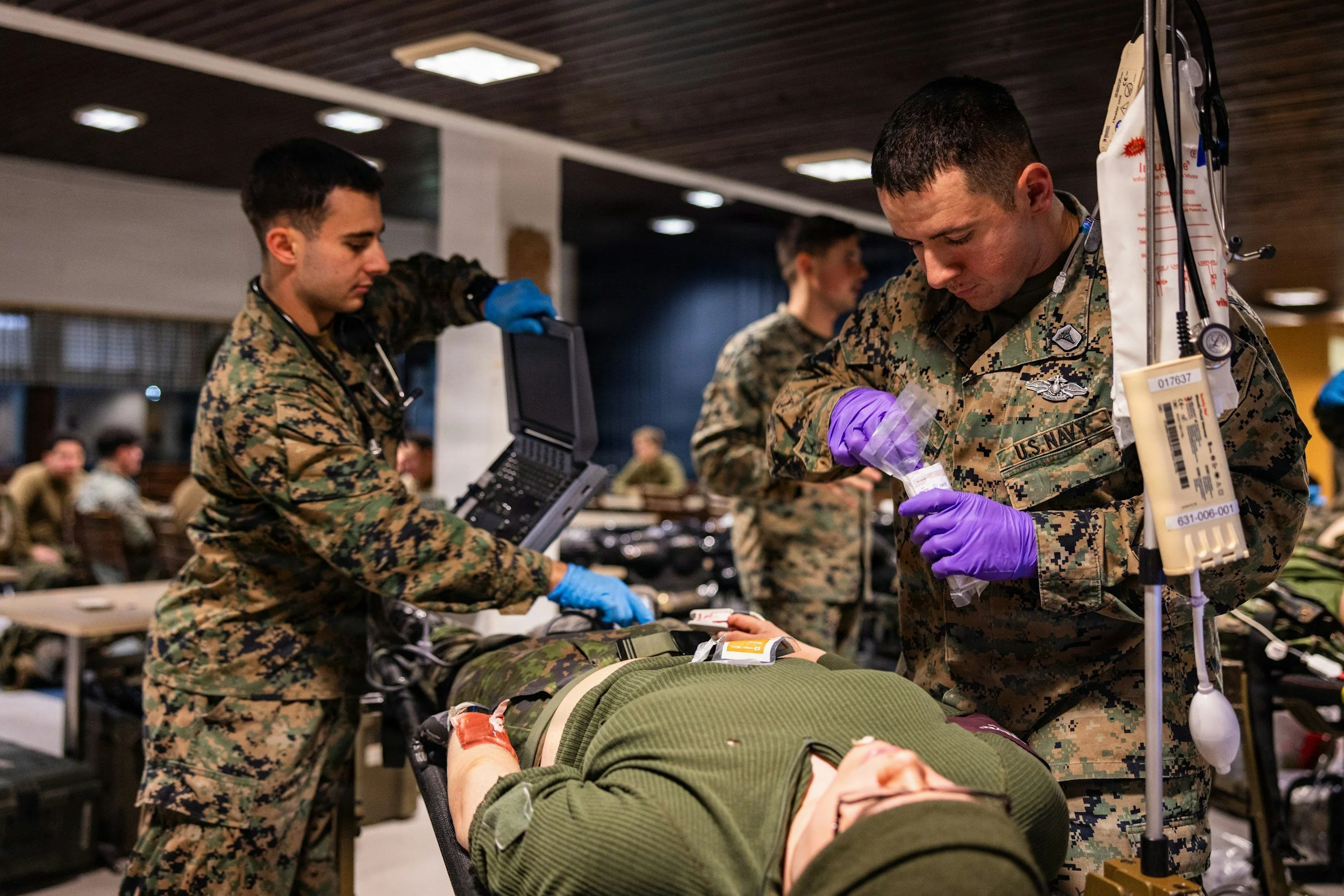
Health, Paramedicine, and Humanitarian Operations
Draws on expertise in public health emergency management, clinical and paramedic response, search and rescue, humanitarian deployment and safe-hospital planning. This supports Sri Lanka in strengthening emergency care pathways, high-impact medical preparedness and health system continuity.

Social Sciences, Behaviour, and Community Resilience
Explores social vulnerability, cultural behaviour, public engagement, leadership dynamics, community resilience, risk perception and psychosocial recovery. This helps ensure that DRR strategies reflect the lived realities of communities and account for diverse needs and capacities.
Communication, Risk, and Uncertainty
Focuses on crisis communication, information design, uncertainty translation, public warning strategies and media alignment. This supports Sri Lanka in improving clarity, credibility and public trust during emergency communication and forecasting.

Data, Information Systems, and Technology Innovation
Covers data science, artificial intelligence, spatial analysis, sensing systems, GIS, remote sensing, ICT and digital infrastructure. This supports Sri Lanka in enhancing hazard monitoring, information management, early warning platforms and decision-support environments.

Finance, Economics, and Law
Includes economic risk assessment, climate and disaster risk financing, post-disaster damage and loss assessment, cost-benefit analysis, and legislative frameworks and governance. This helps disaster recovery and resilience strategies and integrates DRR into development planning, budgeting, and regulatory reform. Moreover, from a long-term perspective, risk assessment and planning for future climate-related physical risks in Sri Lanka could be based on well-established global warming scenarios.
Training, Education, and Capacity Development
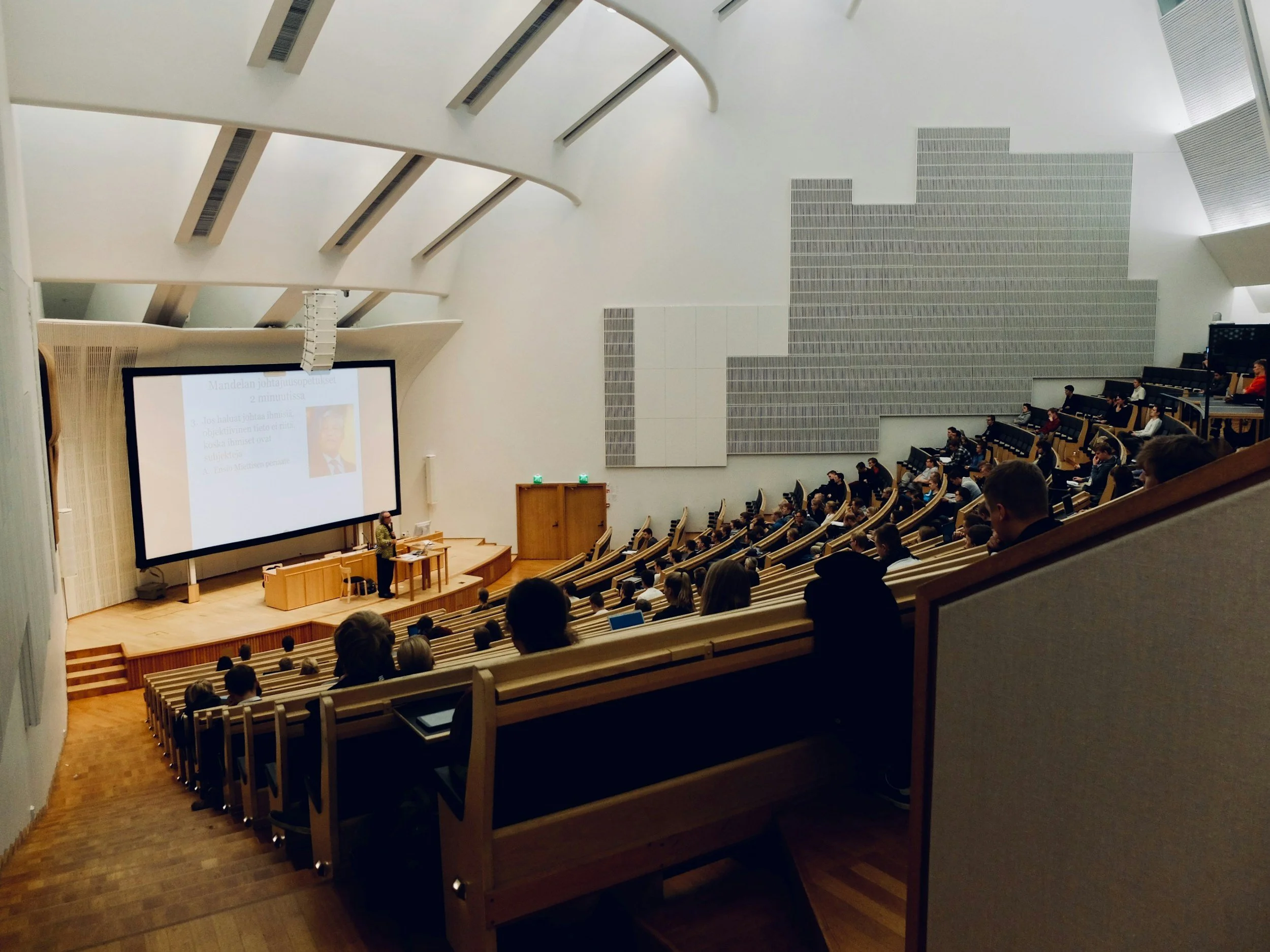
Encompasses tertiary education, professional development, curriculum design and training frameworks. This capability strengthens long-term workforce development and professionalisation across the DRR system.
As the Forum evolves, additional expertise — e.g., coastal engineering, urban planning, climate adaptation, indigenous knowledge, and risk transfer — will be welcomed where beneficial.
The Forum for Science/Research Support for DRR Efforts in Sri Lanka offers a unique and timely opportunity to strengthen Sri Lanka’s disaster resilience through collaborative, respectful and locally grounded knowledge exchange.
By connecting Sri Lanka to global science and expertise — without imposing external models or agendas — the Forum aims to work alongside national institutions to support informed decision-making, evidence-based policy, robust system design, and future-focused innovation.
Most importantly, this platform is designed to reinforce and elevate Sri Lanka’s own capability, leadership and vision for DRR and Resilience from short- and long-run perspectives.